In the global textile trade landscape of 2026, while the EVFTA serves as an “open door” with its Fabric Forward rule, the CPTPP (Comprehensive and Progressive Agreement for Trans-Pacific Partnership) presents a “heavyweight challenge” with its Yarn Forward rule.
At Bao Lan Textiles, we don’t see this as a barrier. Instead, we transform domestic spinning into a strategic key, enabling fashion brands to enjoy 0% duty when entering demanding markets such as Japan, Canada, and Australia.
Decoding the “Yarn Forward” Rule: The Triple Transformation Requirement
Unlike the flexibility offered by the EU, the CPTPP bloc enforces one of the strictest rules of origin: Triple Transformation.
What does this rule require? To be considered “CPTPP originating” and qualify for 0% duty, three essential steps must be performed within member countries (e.g., Vietnam):
+ Spinning
+ Weaving/Knitting
+ Making-up (Garment Manufacturing)
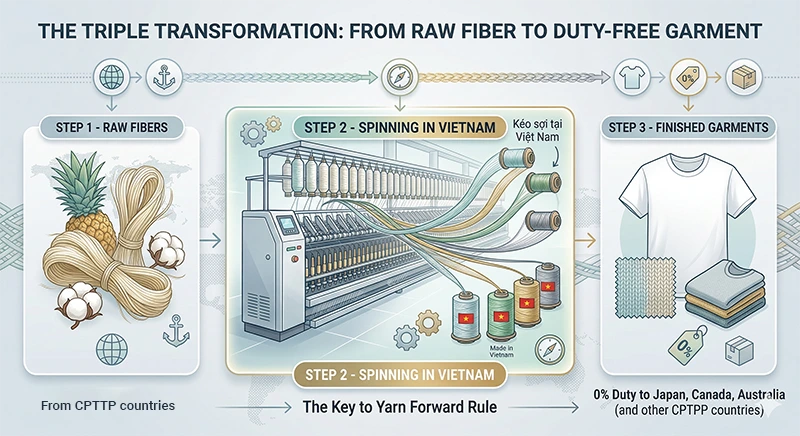
Official Source: You can verify these regulations via the Vietnam Ministry of Industry and Trade’s portal on CPTPP textile rules. According to the treaty, if the yarn is imported from a non-member country (such as China or India), the final product will be disqualified from preferential tariffs, regardless of whether the weaving and sewing took place in Vietnam.
“Made in Vietnam” Yarn Solutions: Fully CPTPP Compliant
This is where the expertise of Bao Lan Textiles delivers real value. We understand that while high-quality fibers are the soul of eco-fabrics, compliant yarns are the mandatory requirement for duty exemptions.
+ Fiber Sourcing: CPTPP allows for fiber imports from anywhere in the world. Bao Lan actively sources premium Cotton and Organic Cotton from the world’s most reputable suppliers.
+ Spinning in Vietnam: Rather than importing finished yarns, Bao Lan processes raw fibers through our strategic domestic spinning network.
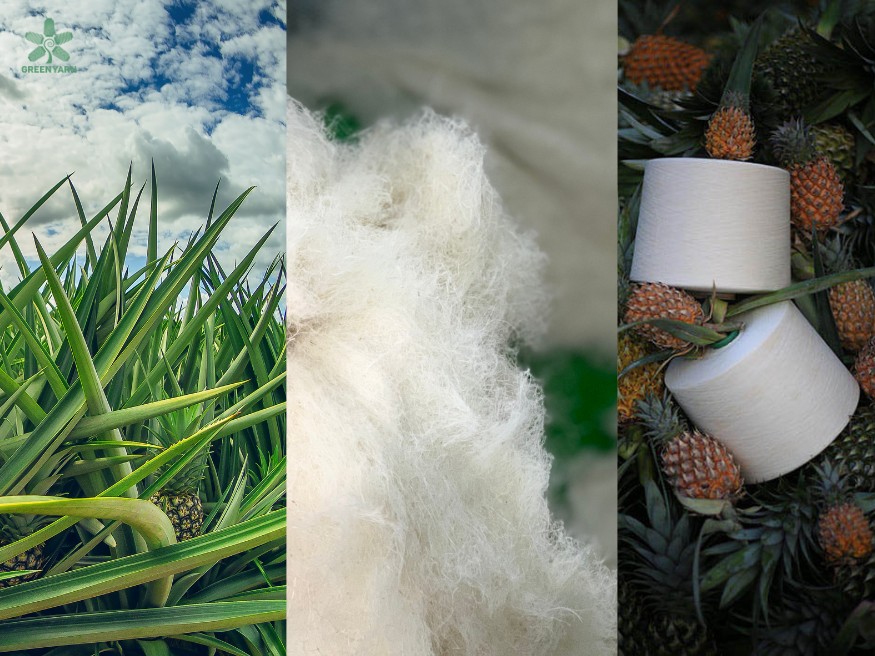
The Result: As soon as the fiber is spun into yarn on Vietnamese soil, that yarn officially gains “CPTPP Nationality.” This ensures that Bao Lan’s fabrics (W.ELL Fabric collection) provide a 0% duty advantage for your export orders through clear yarn traceability.
Technical Analysis: Local Spinning—Quality Beyond Tariffs
Why does Bao Lan prioritize local spinning over importing ready-made yarns? The answer lies in our deep technical control:
+ Yarn Count Customization: We fine-tune yarn thinness to precisely match the requirements of premium fabrics—from rustic textures for pineapple fabric to ultra-fine counts for Bamboo Biocell.
+ Twist Control: In-house spinning allows us to manage the twist level, reducing pilling and enhancing the fabric’s tensile strength.
+ Evenness & Consistency: Modern spinning technology eliminates weak points in the yarn, ensuring a smooth fabric surface that meets GOTS, OEKO-TEX 100, and GRS standards.
+ Technical Data: Controlling the spinning process locally allows us to maintain a yarn defect rate of under 2%—an ideal figure for meeting the rigorous quality standards of Japanese retailers.
Turning Technical Barriers into an Exclusive Competitive Advantage
Many fashion brands are currently struggling because CPTPP-compliant yarn sources are both scarce and expensive.
Your advantages when partnering with Bao Lan:
+ Supply Chain Stability: Eliminate dependence on unpredictable imported yarn sources.
+ Tax Optimization: Guaranteed compliance with the Yarn Forward rule to achieve 0% duty (saving an average of 5-10% in import costs for markets like Canada and Australia).
+ Transparent Documentation: Bao Lan provides a complete set of certificates proving the entire process from fiber to yarn, ensuring you are always ready for origin audits.
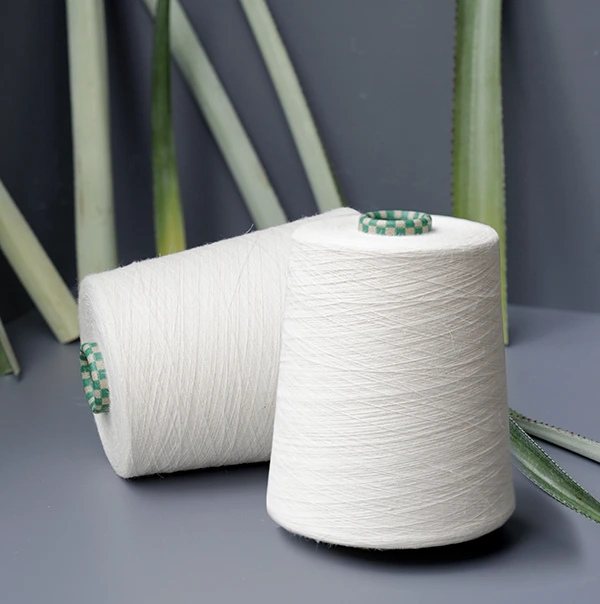
Ananas Yarn (Pineapple yarn) made in Vietnam

Bamboo yarn made in Vietnam
Conclusion
At Bao Lan Textiles, we don’t just spin yarn; we weave a competitive edge for your brand. Mastering the Spinning stage in Vietnam is our strongest commitment to a transparent, sustainable, and economically optimized supply chain.
Are you ready to conquer the CPTPP market? Connect with Bao Lan Textiles today for technical consultation on compliant yarns and experience our leading Made in Vietnam eco-fabric collections.